
New construction in Tbilisi has expanded rapidly over the last decade. Entire districts have been reshaped by residential towers marketed as modern, energy-efficient, and suitable for contemporary living. However, behind the finishes and promotional language, thermal insulation remains one of the most inconsistent and underestimated aspects of new buildings in Georgia.
In a city with hot summers, cold winters, and strong seasonal temperature variations, insulation quality directly affects comfort, health, and long-term operating costs. For buyers considering new construction—whether finished apartments or black-frame units—understanding how insulation is implemented is essential.
This article focuses exclusively on new buildings in Tbilisi and explains what to look for during a property viewing, based on real construction practices in Georgia rather than theoretical standards.
Insulation Regulations in Georgia: Legal Minimum vs Real Performance
Georgia has introduced insulation requirements for new residential buildings in recent years. However, it is important to distinguish between legal compliance and actual thermal performance.
Current regulations establish minimum insulation requirements, but:
- These standards define what is legally acceptable, not what is optimal
- Enforcement has historically been uneven
- Buildings constructed three or more years ago often did not follow these requirements in practice
Even today, many developers design projects to meet only the minimum threshold. This means that a building can be legally compliant while still performing poorly in terms of heating and cooling efficiency.
For buyers, this creates a false sense of security. A “new” building does not automatically mean a well-insulated building.
Windows: Airtightness Matters More Than Brand Names
Windows are one of the most critical elements in the thermal envelope of an apartment. In Tbilisi’s new construction market, window quality varies widely and should be evaluated carefully during a viewing.
Airtight Installation Is Essential
Even high-quality windows lose most of their effectiveness if they are poorly installed. Proper airtightness around windows can be achieved by:
- Specialized airtight sealing tapes
- Waterproof, airtight membranes installed around the window perimeter
In Georgia, it is still common to see windows fixed directly into masonry with minimal sealing. Micro-gaps around frames allow cold air in during winter and hot air in during summer, undermining the entire insulation strategy.
Window Quality Levels in Georgia
Most new buildings use one of three window categories:
- Low-quality Turkish windows (cheap profiles, weak hardware)
- Medium-quality Turkish windows
- European windows
From a cost-performance perspective, medium-quality Turkish windows with double glazing and German-brand mechanisms represent a reasonable balance. They provide acceptable thermal and mechanical performance without significantly increasing costs.
If a new apartment is delivered with visibly cheap windows, buyers should assume that window replacement will be one of the first necessary upgrades to achieve thermal comfort.
Wall Insulation: Thickness and Execution Are Equally Important
Wall insulation is one of the most decisive factors in apartment performance, yet it is often treated superficially in new construction.
Recommended Insulation Thickness
For external walls in Tbilisi’s climate:
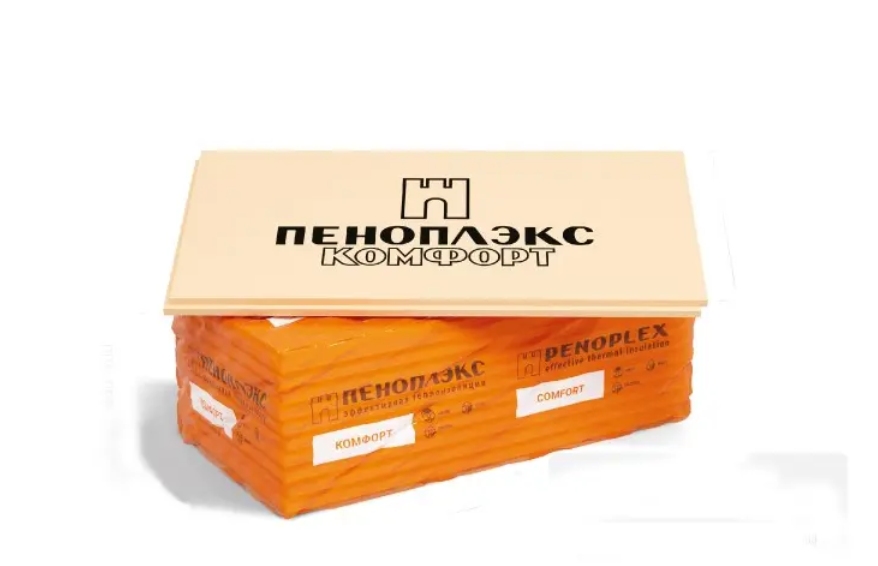
- Minimum acceptable thickness: 40 mm polystyrene foam
- Optimal thickness: 50 mm polystyrene foam
Buildings constructed with masonry walls only and no insulation leave buyers with two options:
- Accept high heating and cooling costs indefinitely
- Renovate internally and add insulation later
Neither option is ideal, which is why wall insulation should be assessed before purchase.
Installation Quality and Air Gaps
Insulation performance depends not only on material thickness but also on execution. Common issues include:
- Incomplete bonding between insulation and wall
- Air gaps behind insulation panels
- Poorly sealed joints and corners
Even small gaps allow air circulation that dramatically reduces insulation effectiveness. During a viewing, uneven wall finishes or rushed detailing may indicate deeper problems behind the surface.
Internal Insulation: Mineral Wool as a Corrective Solution
When external insulation is insufficient or absent, internal insulation becomes the most common corrective approach in Tbilisi apartments.
The easiest and most widely used material for internal insulation is mineral wool.
Mineral wool is favored because:
- it is relatively easy to install
- it provides good thermal and acoustic insulation
- it adapts well to irregular existing walls
- it allows vapor diffusion when installed correctly
In renovation scenarios, mineral wool is typically installed at 100 mm thickness or more, mounted on a metal frame and finished with plasterboard.
Polystyrene foam can also be installed internally, but it is a bit more complicated due to the need to attach the panels properly to the walls. Passing also electric cables or wires is a little more tedious with this material.
Space Trade-Offs
While effective, internal insulation comes with a cost:
- Reduction of internal space
- Relocation of electrical outlets and radiators
- Impact on room proportions, especially in small apartments
For this reason, internal insulation should be seen as a secondary solution, not a substitute for proper insulation at the construction stage.
Floors: A Critical Detail in Ground-Floor Apartments
Floor insulation is rarely mentioned in listings, yet it plays a major role in comfort—especially in ground-floor units.
In well-constructed buildings, a layer of polystyrene insulation should be installed beneath the concrete slab, separating the interior from soil temperature.
If this layer is missing:
- Floors remain cold year-round
- Heating efficiency drops significantly
- Thermal bridges are created
In finished apartments, this insulation is difficult to verify. However, it can sometimes be observed in:
- Units still under construction
- Neighboring apartments delivered as black frame
Ground-floor buyers should treat floor insulation as a priority item during evaluation.
Attics and Top-Floor Apartments: Heat Loss from Above
Apartments located on the top floor or beneath a terrace, face a higher risk of heat loss through the ceiling.
Inadequate roof or ceiling insulation results in:
- Overheating in summer
- Rapid heat loss in winter
If possible, buyers should inspect:
- Attic spaces
- Roof insulation layers
- Ceiling continuity
When direct access is not possible, indirect evaluation helps:
- Visit on very cold or very sunny days
- Compare indoor temperature with a mid-level apartment in the same building
Significant temperature differences usually indicate poor roof insulation.
Small Details That Make a Big Difference
Thermal performance is not determined only by large surfaces. Small gaps and poorly sealed details can account for a large portion of energy loss.
Pay attention to:
- Gaps around window and door frames
- Balcony door sealing
- Wall-to-ceiling junctions
- Service penetrations for pipes and cables
When properly sealed, these details significantly improve comfort and reduce heating and air-conditioning costs.
Why Insulation Must Be Evaluated Before Purchase
In Tbilisi, many buyers discover insulation problems only after moving in, when heating bills increase and comfort decreases. At that point, corrective work becomes expensive and disruptive.
For new construction, insulation quality should be evaluated:
- Before signing a purchase agreement
- During a technical property viewing
- In comparison with other units in the same building
Buyer-side property viewing helps identify whether:
- The price reflects construction quality
- Upgrades are financially reasonable
- The apartment is suitable for its intended use
Final Thoughts
New construction in Tbilisi offers modern layouts and attractive locations, but insulation quality varies significantly between developments. Windows, walls, floors, roofs, and small sealing details all determine how an apartment performs once occupied.
For buyers, understanding insulation transforms a viewing from a superficial walkthrough into a technical evaluation. In a market where legal minimums do not guarantee optimal performance, proper insulation is not a luxury—it is a fundamental requirement for long-term comfort and cost control.
Lorem ipsum dolor sit amet, consectetur adipiscing elit. Ut elit tellus, luctus nec ullamcorper mattis, pulvinar dapibus leo.