
Understanding the Neighborhood Logic
When venturing into the real estate market of Tbilisi, Georgia, it is essential to look beyond the simplified narratives generated by online tools or international blogs. Tbilisi is not just “another affordable city.” It is a post-Soviet capital with uneven infrastructure, mixed construction typologies, and very particular taxation rules that shape how properties are priced, sold, and later operated. Understanding these local conditions allows a buyer to decide realistically whether a flat or house matches budget and purpose—and whether independent property viewing services are justified before taking the next step.
Over the last ten years the market has indeed transformed. Economic growth, tourism, and relocation from neighboring countries expanded the sector. Yet the landscape remains low regulated compared to EU jurisdictions. Transactions are fast, recurring property taxes are minimal, and almost anyone can act as an intermediary. These characteristics make the role of buyer-side evaluation in Tbilisi much more important than in markets where professional agents and inspectors are mandatory.
Diversity of Buildings and Neighborhood Logic
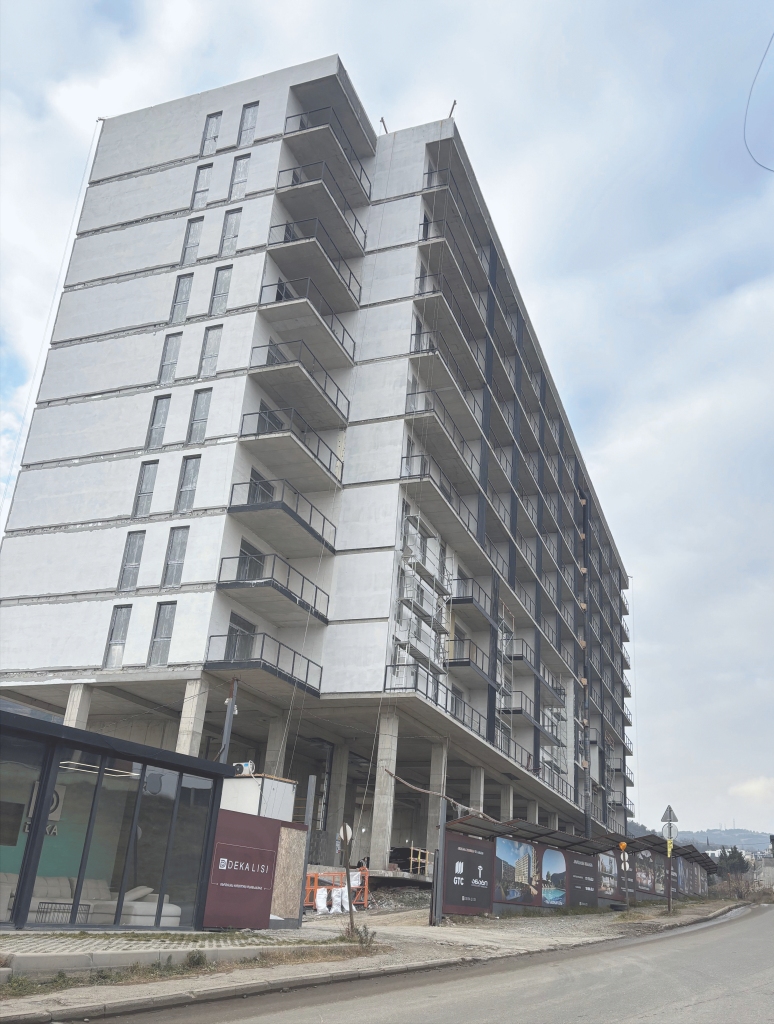
Tbilisi’s real estate market is characterized by diversity. You can find contemporary apartments in new towers, traditional courtyard houses from the last century, and many “black frame” or “green frame” units delivered unfinished by developers. Prices vary not only by area but mainly by the type of building available in that area. In Georgia, Saburtalo and Vake contain mostly apartment blocks, while districts such as Isani or Varketili still include individual houses and small plots. A correct approach is to analyze:
1 budget, 2 type of building, 3 neighborhood based on availability of that type. Without this triad, buyers end comparing incompatible assets.
Central Districts: Glamour vs Physical Reality
Vake has traditionally dominated demand. It is perceived locally as the most European part of Tbilisi with better maintenance culture and higher income residents. However Vake is located between two valleys where air circulation is poor. Real measurements from Georgian environmental agencies show that in peak hours the area registers some of the highest NO₂ and particulate concentration in the city. The outcome is that a “famous address” in Vake may come with contamination and noise costs that listing photos never mention. For long-term rental or as a primary residence this can reduce desirability.
Vera sits between worlds: close to posh Vake but also to Old Tbilisi full of tourists. Streets can be extremely busy, and parking almost impossible. Buyers who value quietness often regret the choice after moving in.
The far up and west part of Saburtalo can be quieter and more residential, yet development has been inconsistent. Nice new 20+ store buildings stand next to Soviet era grey avenues that look like cement areas. Lower Pekini Avenue sections are among the busiest in Tbilisi, with hundreds of international students reshaping commercial tone. Traffic in the area is probably the worst; reaching the river road can take a desperate amount of time. These physical realities must be weighted before appreciating the cheaper price per square meter.
Peripheral Expansion: Land History
Neighborhoods like Didi Dighomi and Gldani gained traction because developers bought cheap land in the past and were able to construct more affordable buildings. The comments added by you reflect correctly that these areas attract demand due to price capacity, not infrastructure. There is lack of exclusive bus lines to the center, unlike Vake or Mtatsminda where dedicated corridors improved commuting. Exiting the city north from Didi Dighomi can be faster, showing that communications depend on direction.
Isani, Samgori, and Varketili present long-term appreciation possibilities, but it is mainly a bet believing the area will increase value in the future. Tourists are not the first choice here; thus rental strategy must adapt to long term prices. Agricultural saying in Georgia — “your neighbors are your second family” — remains very true; communal dynamic and noise organization often define comfort more than building age.
Rental Market Saturation and the Role of Viewing
The rental market is vital especially if you view the property as investment. Tbilisi has robust demand, yet short-term rentals driven by Airbnb became oversupplied. Almost every building in the center has at least one apartment dedicated to Airbnb, which keeps prices stable and prevents them from rising despite high demand. Real data from myhome.ge archives indicate that average occupancy in Saburtalo 2024 dropped from 75% to 55–60%, while prices per night remained unchanged. Therefore, what in the past was lucrative now requires careful selection and independent viewing services to verify whether the location can outperform saturation.
Key Factors to Consider Before Buying
Establishing the budget is the first step. Georgian banks offer mortgages, but interest rates are quite high. Just for putting a deposit in GEL for one year you can receive around 10% interest; hence borrowing money for a mortgage will logically demand higher interest than in Europe unless done in USD or EUR with currency risk. Banks lend only what they believe can recover with the sale of the asset and may ask for collateral.
The purpose of purchase must be defined: primary residence, vacation home, or investment. You added correctly that buyers must decide whether to rent short term or long term. Short-term rental is limited to tourist centric or sometimes diplomatic areas; long-term rental all Tbilisi is suitable but price must adapt to neighborhood.
Condition of the Property
The condition is paramount. A new building is not better per se because new; some old buildings are more stable and will last longer than fast low-quality towers. This leads directly to the importance of double opinion and property viewing in Georgia.
Legal Aspects of Property Purchase in Georgia
Ownership is registered at the Public Registry using the cadastre code. Title can be checked online if having the code; in doubt a lawyer can assist. The purchase agreement does not always need heavy legal review; Georgian laws are investor-friendly.
If one party is foreigner, the contract must be translated in both languages (Georgian + the other). In this case the normal procedure is to attend a notary where the official translator delivers the bilingual text for signature. Registration fees depend on service type: in 2025 around 400 GEL for standard and more than double for express within the day. Money exchange occurs after registering under the new owner; it is usually paid in USD by bank or cash. Banks often try to stop foreigners from online USD transfers; experience shows internet operations are blocked, thus payment should be done in person. The Public Service Hall in Tbilisi has 2–3 main bank branches inside the building.
Donation option is possible and allows to transfer without taxes. Yet be aware: if you buy and sell within two years you must pay taxes based on the value sold off, therefore many in Georgia use donation if agreed by both parties. There is also no recurring property tax when owning.
The Reality of Intermediaries: Commissioner vs Real Agent
Finding a truly professional real estate agent in Tbilisi can be challenging. You described precisely that many “agents” are in fact commissioners. They copy advertisements and repost without owner consent and have never visited the property. The value they add is minimal and their insight into condition almost zero. Western buyers expecting engineering advice from such intermediaries misunderstand the Georgian system.
A good agent can streamline negotiation but perspectives are often biased and not open-minded as from Western viewpoint. For this reason, independent buyer-side viewing services from TPV become a necessary complement to balance biased narratives and ensure someone actually inspects the property.
Why Independent Viewing is Critical
Conducting thorough inspections is critical, but the buyer must understand what kind of inspection is required at each stage. A certified inspector is recommended for invasive checks; yet before engaging them, Tbilisi Property Viewing can conduct observational inspections focused on:
-
Visible structural cracks
-
Window installation
-
Roof and attic moisture
- Thermal & Noise insulation
-
Drainage and water resources in the flat or house
-
Maintenance culture in the building
- Check Neighbors & around
Common Mistakes to Avoid
Rushing without research is the most common mistake. Adequate research means paying fair price, and higher price only if excellent construction quality or perfect location. In Georgia, neighborhood dynamic matters; neighbors are second family; noise and maintenance organization in common areas often define comfort more than election of utilities.
Tips for Negotiating the Best Price in Georgia
Market reduction in Georgia averages around 10% unless the seller is in urgent need. If the property already has high discounted price reduction will be close to zero. Walking away from negotiation will not help; locals do not believe in such behavior and you will not hear again. Respectful communication builds rapport; identify seller motivations.
Closing the Deal: Technical Checklist
Closing process in Georgia involves:
Signing the agreement → registering the property → transferring funds in that order. Utilities must be changed quickly; sometimes shared utilities remain from Soviet era; angle valves or electricity panels produce surprises. The banks at the Public Service Hall allow USD operations but mostly if done in person.
Final Conclusion
Buying real estate in Tbilisi, Georgia offers genuine financial opportunities thanks to liberal taxation and fast registration, but the asset selection occurs in an environment where intermediary standards are low and construction quality uneven. Information generated by international IA tools is broad and often ignores physical realities such as air circulation in Vake, traffic cosmopolitan costs in Saburtalo, or long-term saturation of Airbnb rentals.
For this reason, engaging our Services of independent viewing and double opinion allows buyers in Tbilisi—and later in Spain—to ground decisions on real data, local taxation, and observable building condition before investing further time or money. Combine legal awareness with buyer-side property viewing, and the likelihood of a serious, satisfying purchase will increase dramatically.